
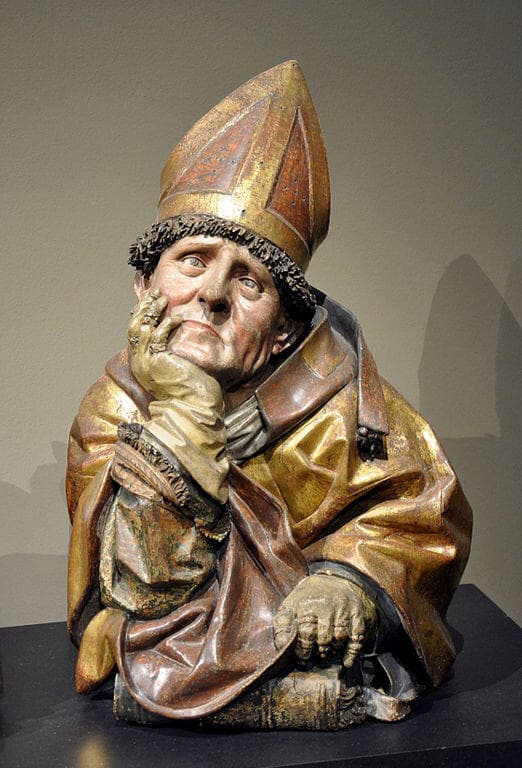
Augustine of Hippo
Catena Aurea · Matthäusevangelium 7
Judge not, that ye be not judged. For with what judgment ye judge, ye shall be judged: and with what measure ye mete, it shall be measured to you again.
(Serm. in Mont. ii. 18.) I suppose the command here to be no other than that we should always put the best interpretation on such actions as seem doubtful with what mind they were done. But concerning such as cannot be done with good purpose, as adulteries, blasphemies, and the like, He permits us to judge; but of indifferent actions which admit of being done with either good or bad purpose, it is rash to judge, but especially so to condemn. There are two cases in which we should be particularly on our guard against hasty judgments, when it does not appear with what mind the action was done; and when it does not yet appear, what sort of man any one may turn out, who now seems either good or bad. Wherefore we should neither blame those things of which we know with what mind they are done, nor so blame those things which are manifest, as though we despaired of recovery. Here one may think there is difficulty in what follows, With what judgment ye judge ye shall be judged. If we judge a hasty judgment, will God also judge us with the like? Or if we have measured with a false measure, is there with God a false measure whence it may be measured to us again? For by measure I suppose is here meant judgment. Surely this is only said, that the haste in which you punish another shall be itself your punishment. For injustice often does no harm to him who suffers the wrong; but must always hurt him who does the wrong.