
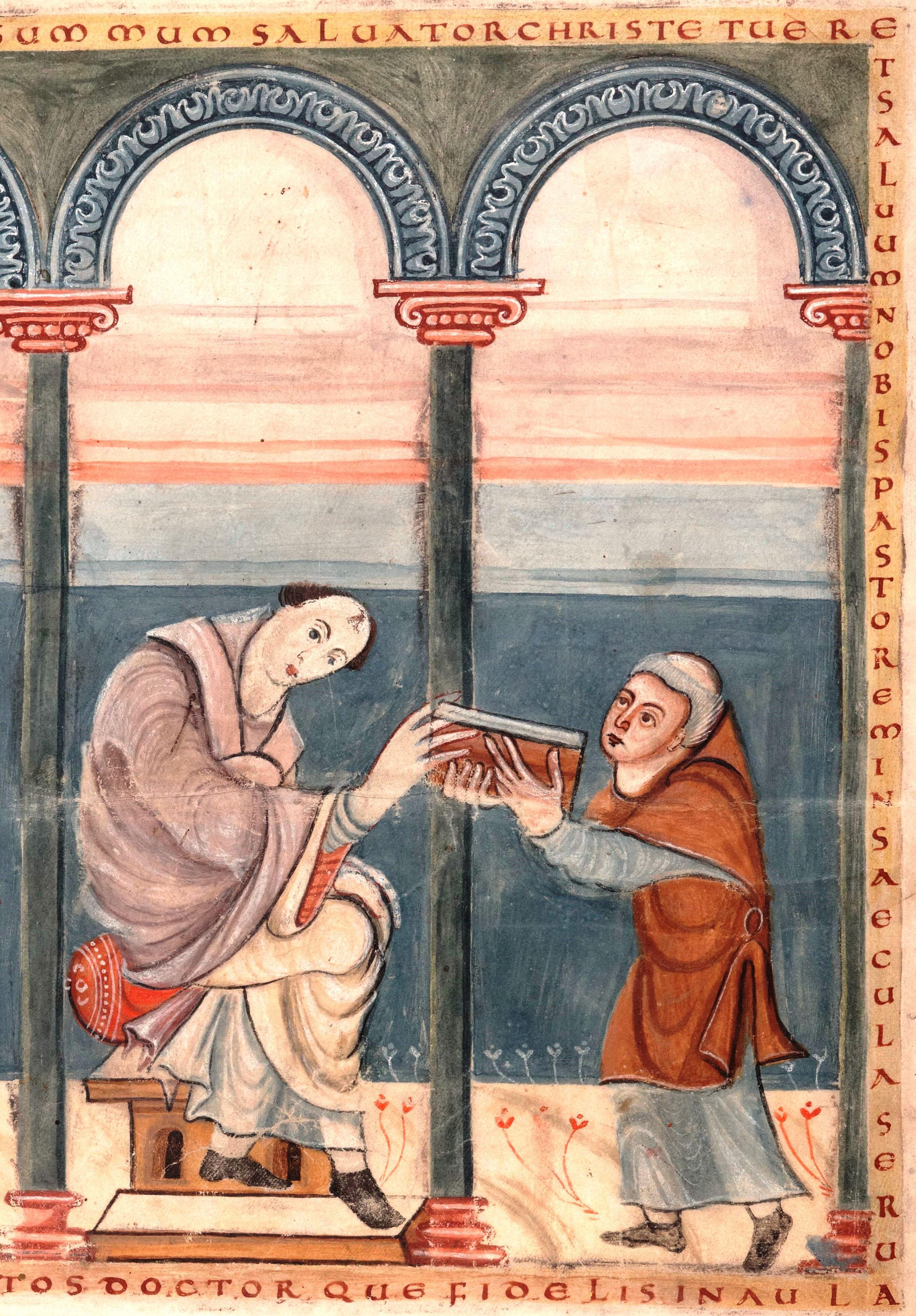
Rabanus Maurus
Catena Aurea · Matthäusevangelium 27
Now the next day, that followed the day of the preparation, the Chief Priests and Pharisees came together unto Pilate, Saying, Sir, we remember that that deceiver said, while he was yet alive, After three days I will rise again. Command therefore that the sepulchre be made sure until the third day, lest his disciples come by night, and steal him away, and say unto the people, He is risen from the dead: so the last error shall be worse than the first. Pilate said unto them, Ye have a watch: go your way, make it as sure as ye can. So they went and made the sepulchre sure, sealing the stone, and setting a watch.
By the Parasceve is meant ‘preparation;’ and they gave this name to the sixth day of the week, on which they made ready the things needed for the Sabbath, as was commanded respecting the manna, On the sixth day they gathered twice as much. (Exod. 16:22.) Because on the sixth day man was made, and on the seventh God rested; therefore on the sixth day Jesus died for man, and rested the Sabbath day in the tomb. The Chief Priests although in putting the Lord to death they had committed a heinous crime, yet were they not satisfied unless even after His death they carried on the venom of their malice once begun, traducing His character, and calling one, whom they knew to be guileless, a deceiver. (John 11:49.) But as Caiaphas prophesied without knowing it, that it is expedient that one man should die for the people, so now, Christ was a deceiver,1 not from truth into error, but leading men from error to truth, from vices to virtue, from death to life.