
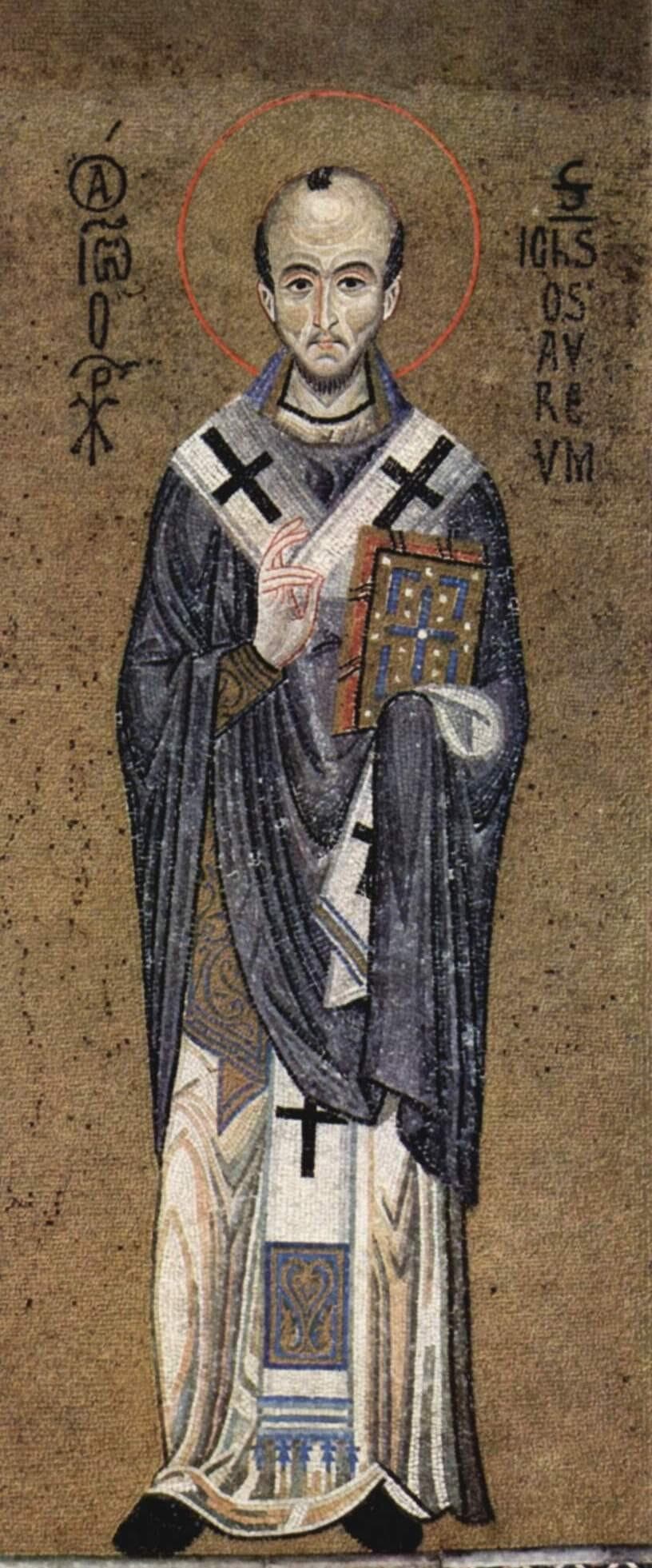
John Chrysostom
Catena Aurea · Johannesevangelium 3
And this is the condemnation, that light is come into the world, and men loved darkness rather than light, because their deeds were evil. For every one that doeth evil hateth the light, neither cometh to the light, lest his deeds should be reproved. But he that doeth truth cometh to the light, that his deeds may be made manifest, that they are wrought in God.
(Hom. xxvii. 2) No one reproves a Pagan, because his own practice agrees with the character of his gods; his life is in accordance with his doctrines. But a Christian who lives in wickedness all must condemn. If there are any Gentiles whose life is good, I know them not. But are there not Gentiles? it may be asked. For do not tell me of the naturally amiable and honest; this is not virtue. But shew me one who has strong passions, and lives with wisdom. You cannot. For if the announcement of a kingdom, and the threats of hell, and other inducements, hardly keep men virtuous when they are so, such calls will hardly rouse them to the attainment of virtue in the first instance. Pagans, if they do produce any thing which looks well, do it for vain-glory’s sake, and will therefore at the same time, if they can escape notice, gratify their evil desires as well. And what profit is a man’s sobriety and decency of conduct, if he is the slave of vain-glory? The slave of vain-glory is no less a sinner than a fornicator; nay, sins oven oftener, and more grievously. However, even supposing there are some few Gentiles of good lives, the exceptions so rare do not affect my argument.